Meta’s AI Shockwave: 8,000 Layoffs and the Fear That Machines Are Coming for Office Jobs


Meta has begun one of its most painful restructuring moves in recent years, cutting approximately 8,000 jobs while relocating thousands of other employees to artificial intelligence work. The company that created Facebook, Instagram, and WhatsApp is not simply reducing headcount. It is reshaping the work landscape at one of the world’s most powerful technology companies, and the message is clear: artificial intelligence is no longer a side project. It is becoming the focal point of the company’s future.
According to Reuters, Meta CEO Mark Zuckerberg informed employees in an internal memo on May 20, 2026, that he does not anticipate any additional company-wide layoffs this year. According to the same report, the company completed a major restructuring that resulted in the layoff of 10% of its global workforce and the transfer of 7,000 other employees to new AI workflow initiatives. Reuters also reported that the layoffs and transfers will affect approximately 20% of Meta’s workforce.

The scale is striking because Meta is not a failing business. It remains one of the world’s richest technology companies. However, the decision demonstrates how Big Tech now views AI as both a growth engine and a cost-cutting tool. The previous promise was that AI would help workers. The new fear is that AI will first assist them, then measure them, and eventually replace some of them.
According to Business Insider, Meta sent layoff emails to affected employees, informing them that their positions had been eliminated as part of a continued effort to run the company more efficiently and offset other investments. The email also contained information on severance, visas, and system access. Employees were informed that internal access would be removed, and those who were already in the office should gather their personal belongings and leave.
This detail carries emotional weight because layoffs are more than just a financial event. They are ruptures caused by humans. A job is more than just a paycheck; it’s also about identity, routine, friendship, status, and hope. When thousands of people receive a message before a working day begins, the company may refer to it as restructuring, but for employees, it can feel like being erased from a story they contributed to.
According to The Verge, approximately 8,000 employees are thought to be affected, accounting for roughly 10% of Meta’s 78,000-person workforce. It also stated that Meta is transferring more than 7,000 employees to new AI initiatives and closing approximately 6,000 open positions. According to the same report, Meta expects capital expenditures of 115 billion to 135 billion dollars in 2026, which will be used to support Meta Superintelligence Labs and core business development.
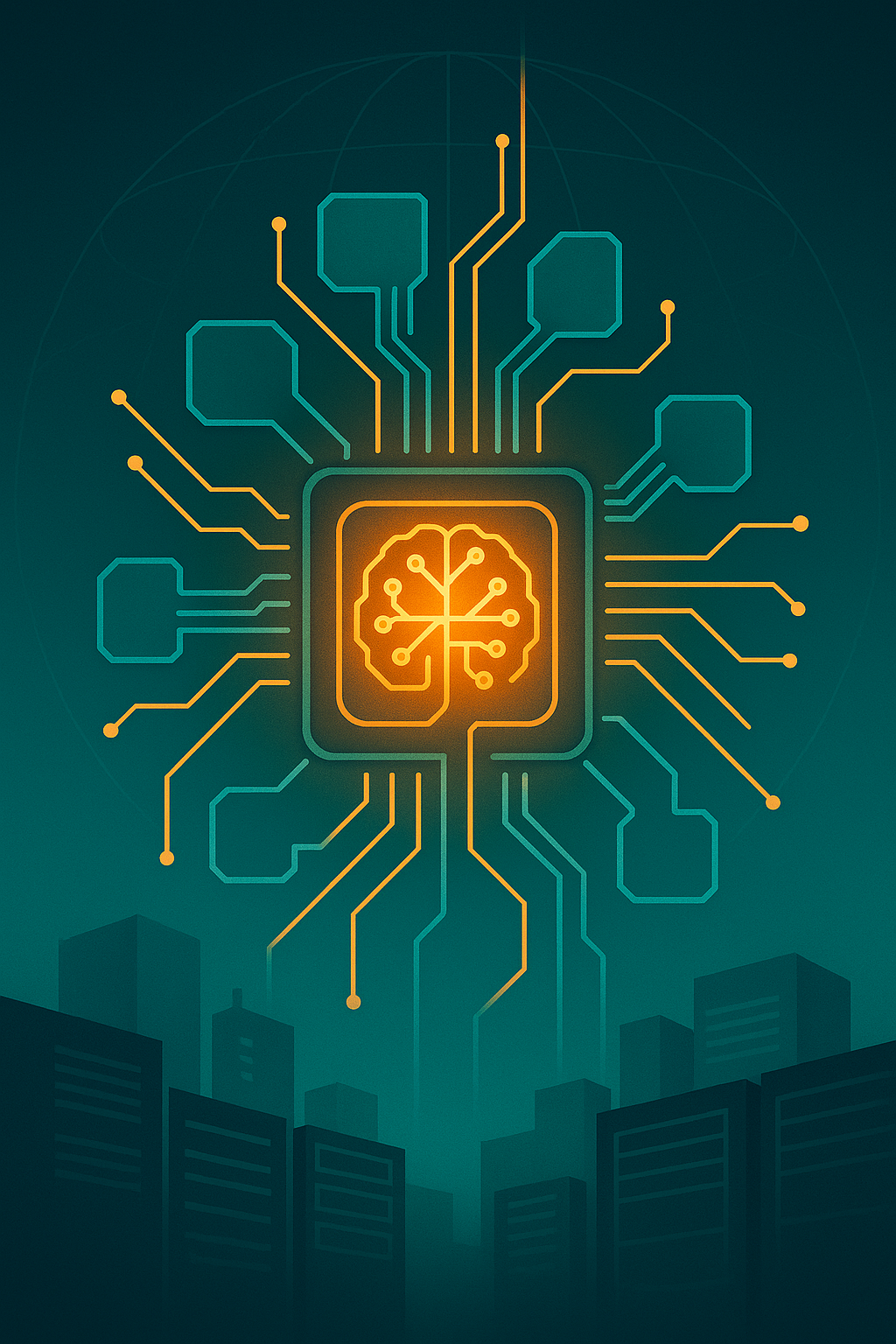
This gets to the heart of the matter. Meta isn’t just cutting jobs. It is directing money, people, and resources toward AI infrastructure. The company is investing heavily in artificial intelligence, implying that it sees it as the next operating system for the internet rather than a feature. Artificial intelligence agents, automated workflows, coding assistants, recommendation systems, and synthetic media tools are increasingly central to Meta’s vision for its platforms, products, and internal operations.
According to LiveMint, Meta began notifying employees in Singapore at 4 a.m. local time, citing Bloomberg reporting and internal documents. It also stated that employees were encouraged to work from home during the notification process, and that 7,000 employees had been reassigned to new teams focused on AI initiatives, such as products and agents.
The argument put forth by the company is not new. Smaller groups can move more quickly. Flatter organizational structures can lead to less bureaucracy. Artificial intelligence tools can increase productivity. In theory, if routine tasks are automated, fewer people can produce more. However, there is a dark side to this theory. If the machine improves as workers use it, train it, and create processes around it, the line between empowerment and displacement blurs.
That’s why the viral story about a Meta employee who “built the AI that replaced her” went so far. The specific story, as described in social media posts and secondary coverage, has not been independently verified by major primary reporting as of the time of writing. However, its emotional truth has spread because it captures a growing fear among white-collar workers: employees may be asked to automate tasks, document workflows, and improve internal tools, only to discover that the work they optimized no longer requires as many people.
The American Bazaar reported on a viral X post claiming that Meta’s AI strategy has the potential to redefine hiring, productivity, and layoffs across the tech industry. That report described claims that AI adoption at Meta was becoming inextricably linked to work culture, productivity expectations, and performance review language. These claims should be treated with caution because they are based on a viral post rather than a complete public company disclosure. Nonetheless, the discussion reflects a larger concern that AI is transitioning from an optional tool to a workplace expectation.
This is an important distinction. According to verified facts, Meta is laying off approximately 8,000 employees and reassigning thousands to AI. Less verified viral stories show how workers perceive the shift.shift. Journalism must keep both distinct. One type of corporate action has been confirmed. The other factors are workplace fear, social media narrative, and public sentiment. However, they are both part of the same story.
For years, automation was commonly associated with factory floors, delivery systems, and repetitive manual labor. The new wave of artificial intelligence is unique. It encompasses software development, design, content moderation, marketing, customer service, research, writing, translation, analytics, and management. These are not your typical blue-collar or routine jobs. They are middle-class knowledge jobs that once appeared secure because they required judgment, language, and creativity.
Meta’s restructuring implies that the initial wave of AI disruption may not be complete replacement. It is possible that there is compression. Rather than eliminating an entire department, a company may reduce the number of people required within it. Instead of ten employees managing a workflow, three employees using AI agents could be expected to do the same job. Instead of hiring junior employees to learn and grow, companies may expect senior employees and AI tools to handle entry-level tasks.
This creates a significant long-term problem. If AI eliminates the lowest rungs of the career ladder, where will future experts come from? Writing short stories allows a journalist to learn. Fixing bugs teaches a software engineer new skills. A designer learns through the creation of drafts. A lawyer gains knowledge through document review. A manager learns through routine coordination. If AI takes over the training ground, industries may save money today while compromising their talent pipeline tomorrow.
Meta is also being pressured by competitors. OpenAI, Google, Anthropic, Microsoft, xAI, and other companies are vying to create more powerful models and intelligent AI agents. Every major technology company is concerned about being late in this climate. AI spending has become a telltale sign to investors that a company is serious about the future. However, high spending must be balanced somewhere, and workforce reductions are one way companies attempt to protect margins while funding massive infrastructure costs.
Al Jazeera reported that Meta will cancel plans to hire 6,000 people and shift 7,000 employees into AI workflow-related roles. It also reported that affected US workers would receive 16 weeks of severance pay plus two additional weeks for every year of employment, according to Meta representatives.
Severance may soften the fall, but it does not address the bigger question. What happens when the world’s most advanced companies realize that they can expand without hiring at the same rate? What happens when productivity increases but employment decreases? What happens when the dream sold to workers is no longer stable careers, but rather continuous adaptation?
Zuckerberg’s reported assurance that no more company-wide layoffs are planned for this year may reassure some employees, but the wording itself leaves room for uncertainty. According to Reuters, employees reacted negatively to the terms “company-wide” and “expect,” indicating skepticism within the company.
It is understandable to be skeptical. In the AI era, the threat isn’t always a single layoff. It’s the sensation that every task is being monitored, measured, and compared to machine output. Employees are concerned about more than just losing their jobs. They are concerned about becoming data points in a system that determines whether they are still required.

Meta’s decision should serve as a warning to the global workforce. White-collar workers no longer have the option of not knowing about AI. Writers, coders, editors, designers, analysts, human resources departments, finance staff, and managers will all need to understand how to use AI tools. However, simply learning about AI is insufficient. Workers must also develop their judgment, creativity, domain knowledge, ethics, and human trust. These are the qualities that machines can mimic but cannot truly possess.
The lesson for businesses is no less important. If AI is only used to remove employees, the workplace will become colder, more insecure, and less loyal. If AI is used to eliminate drudgery while investing in human capability, it can lead to stronger teams. Leadership decisions, rather than technology, will make the difference.
Meta’s layoffs are thus more than just a meta story. They are a mirror that reflects the future of work. The mirror depicts ambition, efficiency, and technological power. However, it also demonstrates fear, uncertainty, and a silent question within millions of offices: Am I building the future, or am I building the tool that will remove me from it?
The answer is not straightforward. Artificial intelligence will create new job opportunities. It will enable small teams to accomplish tasks that were previously only possible in large organizations. It will provide opportunities for entrepreneurs, freelance journalists, creators, researchers, and developers. But it will also shut some traditional doors. Workers who ignore AI or who blindly worship it will not be in the best position. Those who learn to command it, question it, and elevate it to human value will be the most secure.
Disclaimer: This article is based on available reports from Reuters, Business Insider, The Verge, Al Jazeera, LiveMint, and other cited sources as of May 21, 2026. The reported layoff numbers, AI reassignments, and internal memo details are attributed to those sources. The viral claim about an employee building AI that replaced her has not been independently verified through primary public evidence, so it is treated here as a reflection of public anxiety rather than a confirmed individual case.